How to Register a Copyright (Without Losing Your Mind Like I Did)
Did you know that your creative work is technically copyrighted the moment you create it? Wild, right! But here’s the kicker—if you never officially register that copyright, you’re basically showing up to a legal fight with no shoes on. I learned this the hard way a few years back, and let me tell you, it was NOT fun.
Registering a copyright matters more than most people think. It’s the difference between “hey, that’s my work” and actually having the legal muscle to back it up in court. So let’s dig into this together, friend to friend, because I’ve made basically every mistake you can make here.
My Copyright Wake-Up Call
A few years ago I wrote a short e-book. I figured, eh, it’s mine, I made it, that’s that. Then I found chunks of it copy-pasted on some random website. I was livid. Like, steam-coming-out-of-my-ears livid.
Turns out, without a registered copyright, sending a cease-and-desist letter felt like waving a piece of paper with no teeth. I could still claim ownership since copyright exists automatically, but proving damages and taking real legal action? Way harder without registration. That was my “oh crap” moment.
So I sat down, did the research, and registered my work through the U.S. Copyright Office. And honestly, it wasn’t nearly as scary as I built it up to be in my head.
What Registering a Copyright Actually Does
Registering a copyright creates a public record of your ownership. This matters a ton if you ever need to sue someone for infringement, because you generally need that registration before filing a lawsuit in the U.S.
- It gives you legal proof of ownership with a timestamp
- It allows you to sue for statutory damages and attorney’s fees, not just actual damages
- It creates a public record that discourages copycats
- It’s required before you can file an infringement lawsuit in federal court
Without registration, you can still technically own the copyright, but you’re stuck proving actual financial losses, which honestly can be a nightmare to calculate and prove.
How to Actually Register a Copyright, Step by Step
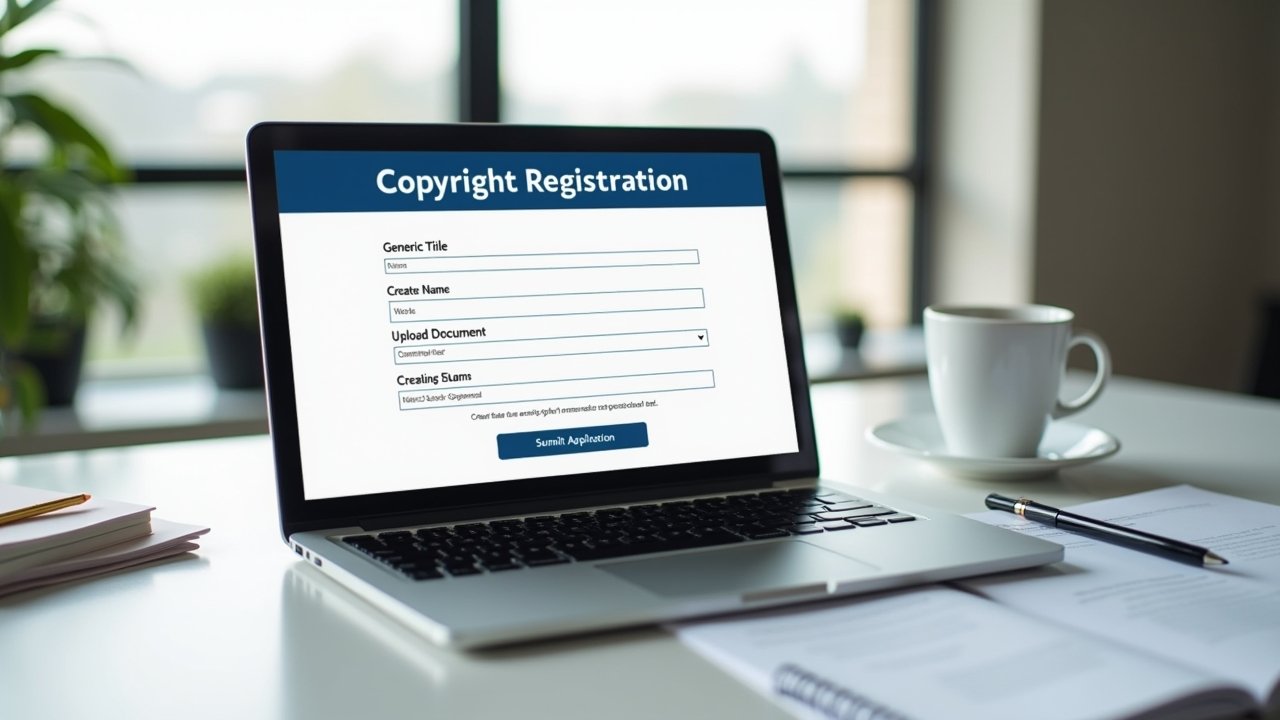
Okay here’s where I get practical, because theory is nice but you probably just want to know what to click. The process is done through the U.S. Copyright Office’s online portal, called the Electronic Copyright Office (eCO).
- Create an account on the eCO system
- Choose the correct application type based on your work (literary, visual arts, sound recording, etc.)
- Fill out the application with details about the work and the author
- Pay the filing fee, which is usually somewhere between $45 and $65 for a single work
- Upload a digital copy of your work, or mail in a physical copy if required
I messed up my first submission because I picked the wrong category. I registered my e-book under the wrong classification and had to fix it, which delayed things by weeks. Lesson learned: double check that category before you hit submit, it matters more than you’d think.
How Long Does It Take (And Why Patience Matters)
Here’s the part nobody warns you about. Processing times can range from a few months to over a year, depending on backlog and whether you filed online or on paper. Online filing is faster, generally.
Mine took about seven months. Seven! I kept checking my email every day like a crazy person expecting a response. It never came fast, but it eventually did, and once it does, your registration date backdates to when you originally filed, so you’re covered from day one.
Common Mistakes People Make (I Made Most of Them)
Let’s be real for a second. Copyright registration isn’t rocket science, but there’s definitely room to mess things up.
- Waiting too long to register after publishing your work
- Registering under the wrong category of work
- Not keeping proof of creation dates, like drafts or timestamps
- Assuming copyright and trademark are the same thing (they’re not, not even close)
- Forgetting to register updates or new editions of a work
That last one bit me too. I updated my e-book with new chapters and didn’t realize I needed a supplementary registration for the new material. Oops.
Should You Hire a Lawyer for This?
Honestly? For most straightforward creative works, you probably don’t need one. The eCO system is designed to be user-friendly enough for regular folks. But if your work involves complex ownership, like a piece created by multiple authors or something tied to a business deal, it might be worth consulting an IP attorney.
The USPTO also has helpful resources if you’re confused about the difference between copyrights, trademarks, and patents, because trust me, it’s easy to mix those up in the beginning.
Wrapping This Up (My Two Cents)
Registering a copyright isn’t glamorous, and it’s definitely not the most exciting part of being creative. But it’s one of those “future you will thank present you” kind of tasks. Take the time to do it right, double check your categories, and keep records of everything.
Every creative situation is a little different, so tweak these tips based on your specific work and always verify current rules on the official Copyright Office site since fees and processes do change. And hey, if you found this helpful, swing by the Smart Contracts HQ blog for more posts like this one, there’s a bunch of good stuff over there worth checking out!