
Did you know that over 33 million small businesses operate in the United States, and a huge chunk of them are single member LLCs? Yeah, I was pretty surprised too when I first looked that up! If you’re running a single member LLC (or thinking about starting one), figuring out the EIN situation can feel like a maze. I remember staring at the IRS website for like an hour, totally confused about whether I even needed one. Let’s clear this up together, friend to friend!
What Exactly Is an EIN, Anyway?
EIN stands for Employer Identification Number, and it’s basically a social security number for your business. The IRS uses it to track your business for tax purposes. Think of it as your LLC’s fingerprint in the eyes of Uncle Sam.
I’ll be honest, when I first started my own single member LLC a few years back, I thought I could just skip this step entirely. Big mistake. Huge. I ended up having to pause my business bank account application because, guess what, the bank wanted an EIN before they’d let me open anything.
Do Single Member LLCs Even Need an EIN?
Here’s the tricky part that trips up a lot of folks. Technically, if you don’t have employees and you’re taxed as a sole proprietorship (which is the default for single member LLCs), you can use your personal social security number instead. The IRS actually spells this out pretty clearly on their site.
But here’s the thing, and this is coming from someone who learned it the hard way, you probably want an EIN anyway. Why? Privacy, mostly. I didn’t want to be handing out my personal SSN to every vendor and client who asked for a tax form. Felt way too exposed, you know?
- You need an EIN if you plan to hire employees down the road
- You need one if you elect to be taxed as an S-corp or C-corp
- Banks almost always require it for business checking accounts
- It helps separate your personal and business identity for liability purposes
My Embarrassing EIN Mistake
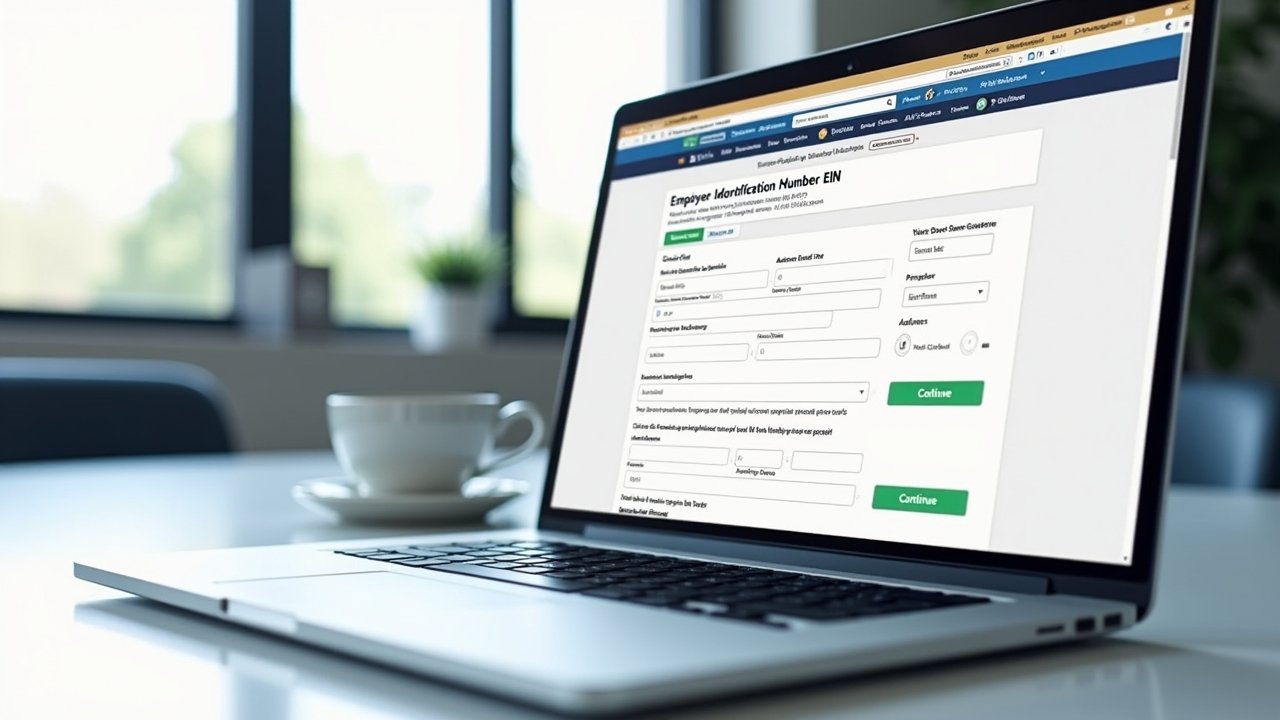
So I applied for my EIN online through the IRS website (which, by the way, is completely free, don’t let anyone charge you for this). The application itself took maybe ten minutes. Easy peasy, right? Well, I accidentally selected the wrong entity classification on the form and had to call the IRS to fix it. That phone call took nearly two hours of my life I’ll never get back.
Lesson learned: double check every single field before you hit submit. Seriously, read it twice. I was rushing because I wanted to get my business bank account set up that same afternoon, and rushing cost me way more time in the end.
How to Actually Apply for Your EIN
The process is honestly simpler than most people expect once you know the steps. You’ve got a few options here, and I’ve tried more than one of them personally.
- Apply online through the IRS EIN Assistant tool for instant approval
- Fax or mail Form SS-4 if you prefer paper (this takes way longer, like four to five weeks)
- Call the IRS directly if you’re an international applicant without a US address
Pro tip from yours truly: the online application is only available Monday through Friday during specific hours, and it times out if you’re inactive for too long. I got timed out once because I stepped away to grab coffee. Don’t be like me, have all your info ready before you start.
What You’ll Need Before You Start
Gather this stuff ahead of time so you’re not scrambling mid-application. Trust me, it makes the whole thing go smoother.
- Your LLC’s legal name and any trade name (DBA)
- Your business address
- Your responsible party’s name and SSN or ITIN (that’s usually you!)
- The reason you’re applying (starting a new business, banking purposes, etc.)
When Getting an EIN Actually Makes Sense
Even if you’re a one person show with zero employees, there are situations where getting an EIN just makes life easier. I always tell people it’s kind of like getting insurance before you need it.
If you’re planning to bring on contractors, apply for business credit, or eventually convert your tax status, having that EIN ready to go saves you a headache later. Plus, honestly, it just looks more legit to clients and partners. There’s something about handing over an EIN instead of your personal SSN that feels more professional, more buttoned up.
One more thing worth mentioning, some states also require an EIN for state tax registration purposes, even if the feds don’t strictly require it for your situation. So it’s worth checking your specific state’s rules too, because they vary more than you’d think.
Wrapping This All Up
Getting an EIN for your single member LLC isn’t the scariest part of running a business, even though it might feel that way at first glance. It’s a quick process, it’s free, and it genuinely protects your privacy while making your business look more established. Every situation is a little different though, so take what applies to you and leave the rest, and definitely chat with a tax professional if your situation is more complicated than the basics we covered here.
If you found this helpful, swing by the Smart Contracts HQ blog for more practical guides on running your business the smart way. We’ve got a ton of other posts that might just save you the same headaches I went through!